
Explore moral injury in the workplace and how toxic leadership, retaliation, and psychological harm go beyond burnout in modern work environments.
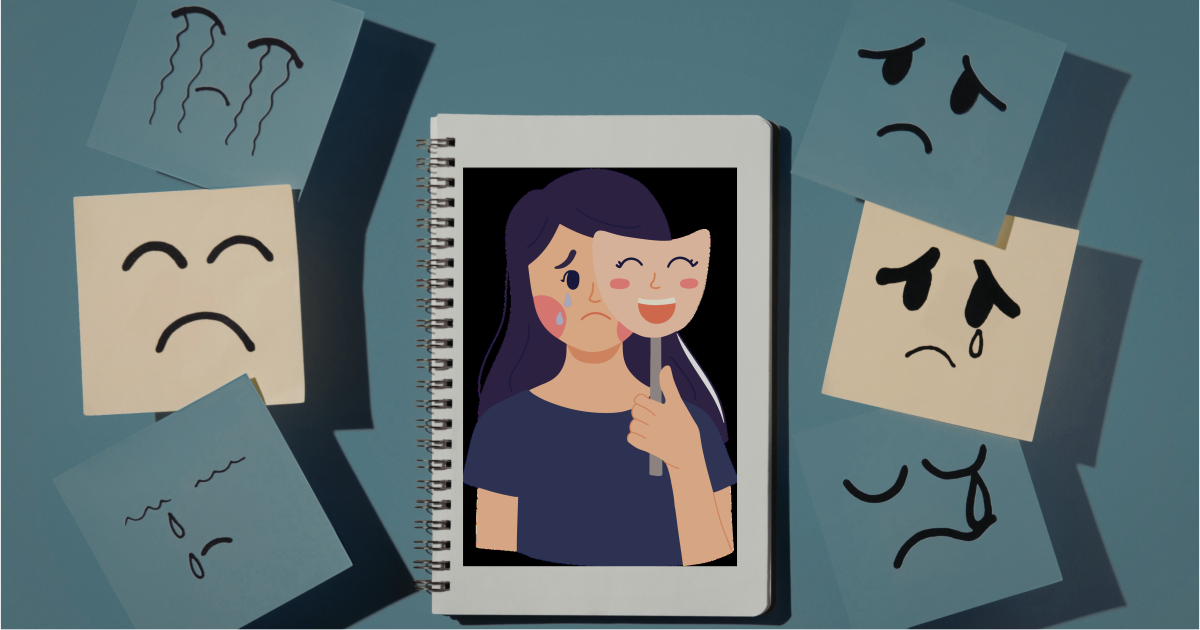
For years, workplace stress has been described using one word: burnout. Burnout usually refers to exhaustion caused by long hours, heavy workloads, and constant pressure. When people feel overwhelmed, the solution offered is often simple: take time off, reduce stress, or practice self-care.
But for many workers, the harm goes deeper than exhaustion.
The experience many people are struggling to name is moral injury.
Moral injury in the workplace occurs when employees are pressured to act against their values, remain silent about harm, or participate in systems that violate their sense of right and wrong. Instead of simply feeling tired, people begin to feel that their integrity is being compromised. The result is not just fatigue—it is psychological harm tied to ethical conflict.
What Is Moral Injury?
The concept of moral injury originally emerged in psychology and military research. Researchers found that many individuals were not primarily suffering from fear-based trauma, but from the distress of witnessing or participating in actions that violated their moral beliefs.
Today, researchers and workplace psychologists increasingly recognize that moral injury can also occur inside organizations.
In a workplace setting, moral injury may arise when employees experience patterns such as:
-
Being punished for raising legitimate concerns
-
Being pressured to remain silent about wrongdoing
-
Witnessing retaliation or exclusion toward colleagues
-
Being forced to choose between keeping a job and maintaining personal integrity
Over time, these experiences can create deep psychological distress and loss of trust in workplace systems.
Burnout vs. Moral Injury
Burnout and moral injury are often confused, but they are fundamentally different experiences.
Burnout is typically related to workload and exhaustion. It often improves when employees are given rest, support, or better working conditions.
Moral injury, however, is rooted in ethical conflict. It occurs when workers feel that the environment around them is asking them to ignore or accept actions that violate their values.
Burnout says:
“I am exhausted.”
Moral injury says:
“Something is wrong, and I am being asked to accept it.”
This distinction matters because solutions designed for burnout, such as wellness programs or time off, do not address the underlying ethical tension that causes moral injury.
Psychological Harm in the Workplace
When moral injury occurs repeatedly, it can lead to significant psychological harm. Employees may begin to experience:
-
Loss of trust in leadership or organizational systems
-
Anxiety, stress, and emotional exhaustion
-
Difficulty sleeping or concentrating
-
Anger, frustration, or guilt
-
Loss of purpose or professional identity
People often describe it as:
“I don’t recognize the organization I work for anymore,” or “I’m not the kind of person I thought I was becoming in this job.”
Many workers describe feeling trapped between their need for employment and their need to maintain personal integrity. This internal conflict can be deeply destabilizing.
Research in organizational psychology shows that environments where employees feel unsafe raising concerns can contribute to long-term mental health impacts and decreased workplace engagement.
How Workplace Systems Contribute to Moral Injury
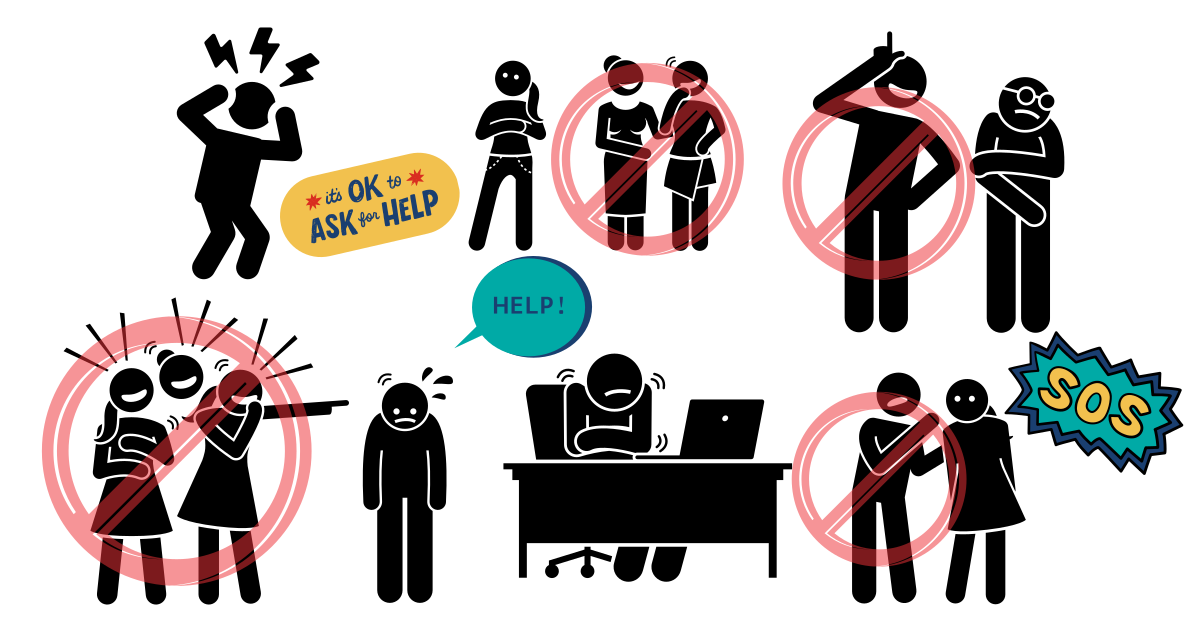
Moral injury rarely appears as a single dramatic event. Instead, it often develops slowly through patterns of behaviour within an organization.
Some of the patterns that contribute to moral injury include:
-
Gaslighting, where concerns are dismissed or reality is reframed
-
Bait-and-switch expectations, where agreements change after commitment
-
Moving goalposts, where standards continually shift
-
Retaliation disguised as performance management
-
Tone policing, where the focus shifts from the issue to how it was raised. Focused on Indigenous, Black and People of colour.
-
Isolation or exclusion from meetings, opportunities, or information
When these behaviours occur repeatedly, they can create environments where workers feel that honesty or ethical concerns are unwelcome.
Over time, people may stop raising concerns altogether, not because the problems disappeared, but because speaking up feels unsafe.
Why Naming Moral Injury Matters
Many harmful workplace behaviours are often dismissed as office politics or personality conflicts. But when patterns consistently silence ethical concerns or punish transparency, the issue moves beyond ordinary conflict.
Understanding moral injury in the workplace helps people recognize when workplace stress has crossed into a deeper ethical problem.
Naming these patterns also allows organizations to reflect on how leadership, culture, and accountability systems affect employees’ psychological safety.
Healthy workplaces are not environments where problems never occur. They are environments where people can raise concerns without fear of retaliation, exclusion, or harm to their careers.
A Final Thought
Work should not require people to sacrifice their integrity in order to succeed.
Understanding moral injury at work is an important step toward creating workplaces where honesty, accountability, and psychological safety are not punished but valued.
When people can speak openly about ethical concerns, organizations become healthier, more resilient, and more trustworthy places to work.